


The tragus piercing is one of the most quietly striking placements you can choose. It sits on the small flap of cartilage in front of your ear canal, a subtle spot that frames the face and adds a modern focal point to a curated ear. If you are thinking about a tragus piercing, this guide covers everything worth knowing.
Shop tragus earrings
What Is a Tragus Piercing?
A tragus piercing goes through the tragus, the small, thick flap of cartilage that sits just in front of your ear canal. It is the little triangular piece you can press inward to block sound.

What makes the tragus so popular is its subtlety. It takes up very little space, sits neatly against the face, and works beautifully in both minimal and statement ear stacks.
Can Everyone Get a Tragus Piercing?
Not every ear is suited to a tragus piercing, and that is worth knowing before you book. The tragus varies a lot from person to person. Some are broad and thick with plenty of cartilage to work with, while others are small, thin or flat, which can make a safe, stable piercing difficult.
A good piercer will assess your anatomy first and tell you honestly whether your tragus can support a piercing comfortably. If it cannot, there are lovely nearby placements that may suit you better. This is one of the reasons it is worth choosing an experienced, reputable piercer rather than a walk-in chain.
Types of Tragus Piercings
The tragus is a small area, so there are fewer variations than a placement like the helix. Here are the main ones.
Standard Tragus
A standard tragus is a single piercing through the centre of the cartilage flap, angled slightly outward. It is by far the most common version and the one most people picture.
A small flat back stud is the classic choice, sitting flush and neat against the face. Healing usually takes around three to nine months. It makes a quiet, eye-catching focal point on its own.

Double Tragus
A double tragus is two piercings placed close together on the same flap, creating symmetry and a little extra texture. Whether it is possible depends entirely on your anatomy, since the tragus needs enough room to support two piercings safely.
Your piercer will measure carefully and let you know. Two slim studs look balanced and modern here. Healing follows the usual tragus timeline for each piercing.
Surface Tragus
A surface tragus sits on the flatter skin just outside the tragus rather than through the cartilage flap itself. Because it passes through surface tissue rather than solid cartilage, it is less stable over time and more prone to shifting or rejection.
For most people, a traditional tragus through the cartilage heals more reliably and lasts longer. If you are drawn to the look, talk it through with your piercer first.
Anti-Tragus
The anti-tragus sits opposite the tragus, on the small raised ridge of cartilage just above your earlobe. It is less common, which makes it a quiet way to stand out.
Because the area curves, a small curved barbell or hoop tends to fit best. It can feel a little more intense than a standard tragus and heals over several months.

How Much Does a Tragus Piercing Hurt?
Pain is personal, so it helps to set expectations gently. Most people rate a tragus piercing around four to six out of ten, describing it as a quick, sharp pinch followed by a feeling of pressure. See our piercing chart for pain ratings.
Because the piercing sits so close to your ear canal, that pressure can feel more noticeable than the pinch itself. The piercing itself takes only a second or two, and any ache tends to fade within hours. A skilled piercer makes the whole thing quick and calm.
How Long Does a Tragus Piercing Take to Heal?
Cartilage heals more slowly than the lobe because it has less blood flow. Most tragus piercings settle within three to nine months, though some take up to a year. Encouragingly, the tragus often heals a little more smoothly than deep inner-ear placements like the daith or rook, because it gets better air circulation. Resist changing the jewellery until there is no swelling, tenderness or discharge, and have your piercer confirm it first.
Tragus Piercing Aftercare
Good aftercare is simple and consistent. The tragus has one aftercare quirk worth planning for, and that is earbuds. Because the piercing sits right at the entrance to your ear canal, in-ear headphones press directly on it and can cause friction, irritation and bumps while it heals. Switch to over-ear headphones for the first few months, and keep any earbuds you do use scrupulously clean.
A few simple habits make a real difference:
-
Avoid touching the piercing with unwashed hands.
-
Use over-ear headphones instead of earbuds while it heals.
-
Sleep on the opposite side, or use a travel pillow with a hole in the centre.
-
Skip swimming pools and hot tubs while it is fresh.
-
Take care removing tops and styling hair so you do not snag the jewellery.
Choosing Tragus Jewellery
Once your tragus has healed, you have some lovely options. Because the placement is small and sits against the face, comfort and a low profile matter as much as looks. The right choice also depends on whether your piercing is still healing or fully settled.
Flat Back and Labret Studs
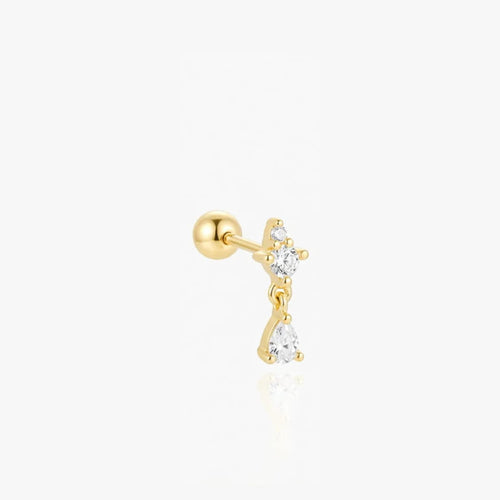
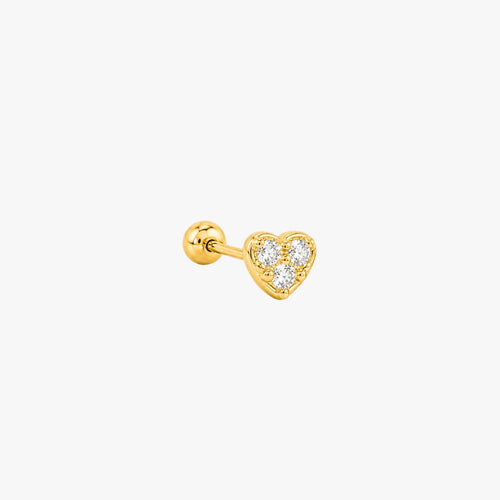
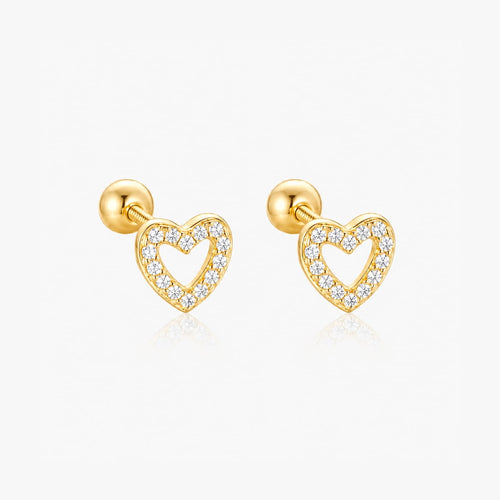
Flat back studs, also called labret studs, are the natural choice for a tragus. They sit flush and feel comfortable all day, which matters in such a close spot. For everyday comfort and a clean finish, explore our flatback studs range.
Small Hoops and Clickers
Once fully healed, a small hoop or clicker brings a little movement to the tragus and frames the face beautifully. Keep the diameter small so it sits neatly and does not snag. A delicate huggie is an easy everyday option, while a fine clicker hoop feels a touch more refined.
Sizing and Materials
A little sizing knowledge makes shopping much easier. Tragus piercings are usually done at 16 or 18 gauge, so it helps to match that when buying new pieces. For hoops, a small internal diameter of around 6 to 8 millimetres sits best.
On materials, the rule is simple. While your piercing is healing, wear the implant-grade titanium your piercer fits and leave it in place for the full healing window. Once healed, our earrings are made with hypoallergenic materials and quality gold plating for comfortable everyday wear. If your skin tends to react, our sterling silver earrings are a gentle choice worth exploring.
Styling a Tragus Piercing with Intention
Here is the part we love most. A tragus piercing is rarely the whole story, it is a quiet anchor that pulls a curated ear together. Because it sits low and central, it pairs beautifully with a helix above, a conch behind, or a row of lobe studs below.
Keep the tragus piece small and let it balance the rest rather than compete with it. Decide whether to keep one metal throughout or blend gold and silver tones, and build the look slowly so it feels personal. For more stacking inspiration, see our guide on how to stack earrings, and browse pieces made to layer in our ear stacking collection.
Frequently Asked Questions
How long does a tragus piercing take to heal?
Most settle within three to nine months, though some take up to a year. The tragus often heals a little more smoothly than deep inner-ear piercings thanks to better air circulation. Resist changing the jewellery until your piercer confirms it is ready.
How much does a tragus piercing hurt?
Most people rate it around four to six out of ten, a quick sharp pinch followed by pressure near the ear canal. You may hear a brief popping sound as the needle passes through, which is normal. Any ache usually fades within hours.
Can I wear earbuds with a tragus piercing?
Not while it is healing. In-ear headphones press directly on the piercing and can cause friction, irritation and bumps. Switch to over-ear headphones for the first few months, then return to earbuds once it has fully settled.
When can I change my tragus jewellery?
Wait until your piercing has fully healed, which is usually several months at minimum. Changing too early is the most common cause of irritation and bumps. Have your piercer confirm it is ready, and they can downsize the post at the same time.
What size jewellery fits a tragus piercing?
Tragus piercings are usually 16 or 18 gauge, and small hoops sit best at around 6 to 8 millimetres internal diameter. You will often start with a slightly longer labret to allow for swelling. Ask your piercer for your exact measurements.
Can I wear sterling silver in a tragus piercing?
Once your piercing has fully healed, yes. While it is still healing, wear the implant-grade jewellery your piercer fits. If your skin is sensitive, our sterling silver range is a gentle choice for healed ears.
Can I sleep on a tragus piercing?
It is best to avoid sleeping on a fresh tragus for the first few months, as pressure can cause irritation and bumps. Sleep on the opposite side or use a travel pillow with a hole in the centre. A flush flat back stud makes this much more comfortable.
Why does my tragus piercing have a bump?
Most tragus bumps are irritation bumps caused by pressure, snagging or earbuds, rather than infection. Keeping up your saline routine, switching to over-ear headphones and avoiding pressure usually helps them settle. If a bump is hot, painful or growing, see your piercer.
When you are ready to dress a healed piercing, explore our tragus earrings made for considered, everyday wear.


