


The helix piercing is the most popular cartilage piercing, and for good reason. It sits on the upper curve of your ear, a versatile spot that looks lovely on its own or as the start of a considered ear stack.
Helix piercings pass through the firmer cartilage of the upper ear, so they ask for a little more patience than a lobe. The reward is one of the most flexible placements you can wear. Here is how to approach it calmly and well.
Shop helix earrings
What Is a Helix Piercing?
A helix piercing is any piercing along the upper outer rim of your ear, the curved edge of cartilage that runs from the top down toward the back. Unlike a lobe piercing, which passes through soft flesh, the helix passes through firmer cartilage. This is why it behaves differently. It heals more slowly, it can feel a little more tender at first, and it needs steady aftercare.

The helix is also one of the most adaptable placements. You can wear it as a single piece, repeat it along the curve, or pair it with other cartilage piercings to build a layered look. For many people, it is the first cartilage piercing they choose.
Types of Helix Piercings
The helix is not a single spot. It covers the whole upper rim, which means there are several variations to choose from. Here are the most common.
Standard Helix
A standard helix sits on the upper outer rim, usually around the highest point of the curve. It is the classic helix piercing and the most popular of all cartilage placements. Because the rim is relatively thin here, it tends to be one of the gentler cartilage piercings to get.
Small flat back studs and slim hoops both suit it, and it is the natural anchor for a building stack. Healing usually takes three to six months.

Forward Helix
The forward helix sits on the same upper rim, but at the front of your ear, closer to your face and just above the tragus. It is a smaller, flatter spot, so delicate studs work best here. Many people wear two or three forward helix piercings in a row for a soft, clustered look.
It can feel slightly sharper than a standard helix because of its position, though any discomfort fades quickly. Healing is similar, around three to six months.

Mid and Lower Helix
A mid helix sits midway along the curve, while a lower helix sits closer to where the rim meets the top of your lobe. Both are lovely bridging placements that connect your lobe piercings to the upper ear, creating a seamless line.
They suit small hoops and studs equally well. Pain and healing are much like a standard helix, around three to six months. These placements are perfect for filling in a stack thoughtfully.

Double and Triple Helix
A double or triple helix is two or three piercings placed in a row along the upper rim. Stacked together, they create a striking, considered look that is well worth the patience. You can have them done in one session or build them up over time, which many people prefer for comfort.
Matching mini hoops or a row of small studs both look beautiful here. Healing follows the usual helix timeline for each piercing.

How Much Does a Helix Piercing Hurt?
Pain is personal, so it helps to set expectations gently. The good news is that the helix is one of the least painful cartilage piercings. Most people describe a quick, sharp pinch followed by a warm, throbbing sensation that fades within minutes. The piercing itself takes barely a second.
What tends to feel more uncomfortable is the soreness in the days afterward, especially if you sleep on it or catch it on hair or clothing. A skilled piercer works quickly, which makes a real difference. If it is your first cartilage piercing, the helix is a reassuring place to start. See our piercing chart for pain ratings.
How Long Does a Helix Piercing Take to Heal?
Cartilage heals more slowly than the lobe because it has less blood flow. Most helix piercings settle within three to six months, though full healing can take up to nine or even twelve months for some people.
Patience genuinely matters here. In the first couple of weeks you can expect some swelling, warmth and a little clear or pale fluid, which is normal and not a sign of infection. Over the following months the tissue gradually strengthens and the piercing channel matures. The piercing may look healed on the outside well before it has settled within, so resist changing the jewellery early. Wait until there is no swelling, tenderness or discharge, and have your piercer confirm it first.
Helix Piercing Aftercare
Good aftercare is simple and consistent. Clean the piercing twice a day with a sterile saline spray, front and back. Let it sit briefly, then rinse gently in the shower and pat dry with a clean tissue or non-woven gauze.
A few simple habits make a real difference:
-
Avoid touching the piercing with unwashed hands.
-
Try not to sleep on it, or use a travel pillow with a hole in the centre.
-
Skip swimming pools and hot tubs while it heals.
-
Be gentle with hair, hats and headphones that press on the area.
It is worth booking a check-up with your piercer around six weeks in. They can confirm healing is on track and, once the swelling has settled, downsize the post for comfort.
If a small bump appears, it is most often an irritation bump from pressure or snagging rather than an infection. Keep up your saline routine, avoid sleeping on it, and see your piercer if it does not settle.
Choosing Helix Jewellery
One of the joys of a helix piercing is the range of jewellery you can wear once it has healed. The right choice depends on the look you want and, first, on whether your piercing is still healing or fully settled.
Flat Back Studs
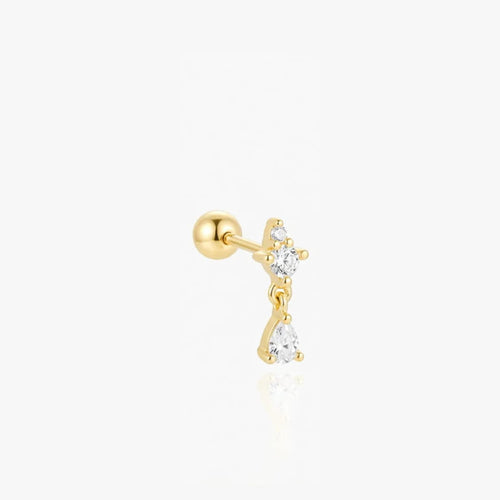
Flat back studs are a favourite for the helix. Instead of a traditional butterfly back, they have a smooth, flat disc that sits against the back of your ear. This makes them far more comfortable to sleep on, with nothing to dig in or catch on hair and pillows. They sit flush and neat, which suits the close placement of the helix beautifully. For everyday comfort and a clean finish, explore our flatback stud earrings.

Hoops and Huggies
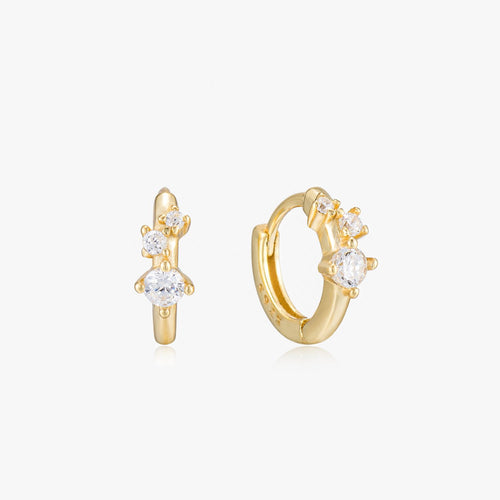
Once your helix has healed, hoops bring a lovely bit of movement to the upper ear. A small hoop or a snug huggie wraps the rim and frames the curve. Huggies are an easy everyday choice, while a slightly larger hoop makes more of a statement. Both layer well in a stack. Browse our huggie earrings for close-fitting styles, or our gold hoop earrings for a little more presence.
Sizing and Materials
A little sizing knowledge makes shopping much easier. Helix piercings are usually done at 16 gauge, sometimes 18, so it helps to match that when buying new pieces.
For hoops, an internal diameter around 6.5 to 8 millimetres fits most standard helix piercings comfortably.
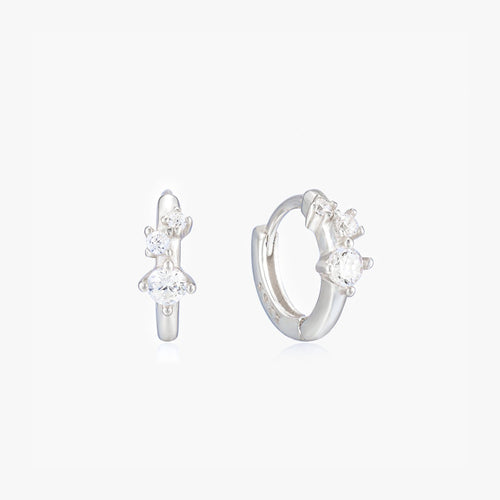
On materials, the rule is simple. While your piercing is healing, wear the implant-grade titanium your piercer fits, and leave it in place for the full healing window. Once healed, our earrings are made with hypoallergenic materials and quality gold plating for comfortable everyday wear. If your skin tends to react, our sterling silver earrings are a gentle choice worth exploring.
Styling a Helix Stack with Intention
Here is the part we love most. A helix stack is not a checklist to rush through, it is something you build slowly and deliberately. Start with one piece you adore, then add placements that balance it over time.

Mix scale for interest, perhaps a small flat back stud beside a slim hoop, and decide whether to keep one metal throughout or blend gold and silver tones. Let the shape of your ear guide you rather than copying someone else's exactly. The most beautiful stacks feel personal because they were built that way. For a gentle method, see our guide on how to stack earrings, and browse pieces made to layer in our ear stacking collection.
Frequently Asked Questions
How long does a helix piercing take to heal?
Most settle within three to six months, though full healing can take up to nine or twelve months. Cartilage heals slowly because it has less blood flow than the lobe. Give it time and resist changing the jewellery early.
How much does a helix piercing hurt?
The helix is one of the least painful cartilage piercings. Most people feel a quick, sharp pinch followed by a warmth that fades within minutes. The soreness in the days afterward is usually more noticeable than the piercing itself.
When can I change my helix jewellery?
Wait until your piercing has fully healed, which is usually several months at minimum. Changing too early is the most common cause of irritation and bumps. Have your piercer confirm it is ready before you swap.
What size hoop fits a helix piercing?
An internal diameter of around 6.5 to 8 millimetres suits most standard helix piercings. The gauge is usually 16, sometimes 18, so it helps to match that too. When in doubt, ask your piercer for your exact measurements.
Can I wear sterling silver in a helix piercing?
Once your piercing has fully healed, yes. While it is still healing, wear the implant-grade jewellery your piercer fits. If your skin is sensitive, our sterling silver range is a gentle choice for healed ears.
Why does my helix piercing have a bump?
Most helix bumps are irritation bumps caused by pressure, snagging or sleeping on the piercing, rather than infection. Keeping up your saline routine and avoiding pressure usually helps them settle. If a bump is hot, painful or growing, see your piercer.
Can I sleep on a helix piercing?
It is best to avoid sleeping on a fresh helix for the first couple of months, as pressure can cause irritation and bumps. A travel pillow with a hole in the centre, or sleeping on the other side, helps. Flat back studs make healing-side sleep far more comfortable.
How many helix piercings can I get at once?
Many piercers will do a double or triple helix in one session, though each additional piercing can feel slightly more sensitive. Some prefer to space them out for comfort and easier healing. Discuss what suits you with your piercer beforehand.
When you are ready to dress a healed piercing, explore our helix earrings made for considered, everyday wear.


