


The conch piercing is the boldest and most versatile of the cartilage placements. It sits in the large, shell-shaped cartilage at the centre of your ear, a generous canvas that can hold anything from a delicate flat back stud to a statement hoop that wraps the whole ear. Here is how to approach it calmly and well.
Shop conch earrings
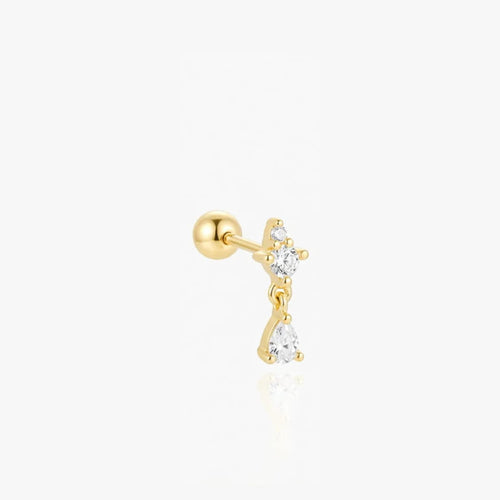
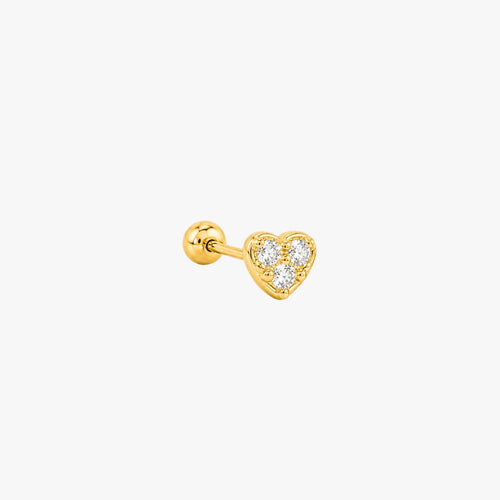
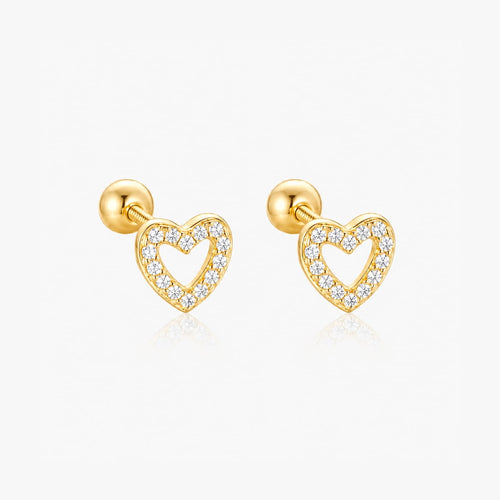
What Is a Conch Piercing?
A conch piercing goes through the conch, the large, cupped area of cartilage in the centre of your ear. It takes its name from the conch shell, which its curved shape resembles.

What sets the conch apart is its size. It is one of the largest flat areas of cartilage on the ear, which means most people have the anatomy for it and there is plenty of room for creativity. Piercers tend to like the conch too, as it heals reliably and suits almost any jewellery once settled.
Types of Conch Piercings
The conch sits across the middle of your ear, and exactly where it is placed shapes both the look and the jewellery you can wear. Here are the main variations.
Inner Conch
An inner conch sits in the central bowl of your ear, closest to the ear canal. It is the most common placement and looks beautiful with a neat flat back stud nestled into the curve. A correctly placed inner conch can also carry a large hoop that wraps around the ear for a striking effect.

Outer Conch
An outer conch sits higher and flatter, on the cartilage between the inner conch and the helix, closer to the outer rim. It creates a bolder, more open look and is often chosen for statement studs. Because it relies on a flatter stretch of cartilage, it is a little more anatomy-dependent, so your piercer will check that it suits your ear.

Double Conch
A double conch is two piercings within the conch, stacked vertically or spaced a little apart for a considered, layered look. Whether it works, and how, depends on your anatomy and any other piercings you already have, so your piercer will plan the spacing with you.
Orbital Conch
An orbital conch uses a single ring threaded through two holes, creating a floating hoop that appears to hover within the ear. It is an eye-catching, artistic look and one of the more distinctive ways to wear the conch.
Needle or Dermal Punch?
Most conch piercings are done with a sterile, single-use needle, just like other cartilage piercings, and fitted with a flat back stud. You may also come across the dermal punch, which removes a small disc of tissue to create a larger opening.
For most people choosing standard jewellery, a needle is all that is needed. Talk through the options with your piercer if you are drawn to a bolder, larger-gauge look.
How Much Does a Conch Piercing Hurt?
Pain is personal, so it helps to set expectations gently. The conch sits in thicker, denser cartilage than the helix or tragus, so most people rate it a little higher, around five to seven out of ten. See our piercing chart for pain ratings.
The sensation is usually described as strong pressure with a sharp pinch rather than a sharp sting. The piercing itself takes only a few seconds, followed by a warm, throbbing ache for the first few hours that settles quickly. It is fair to call the conch one of the more intense cartilage piercings, but it is very manageable, especially with a skilled piercer working quickly and calmly.
How Long Does a Conch Piercing Take to Heal?
Cartilage heals more slowly than the lobe because it has less blood flow. Most conch piercings settle within six to twelve months, and the outer conch sometimes heals a touch faster than the inner.
Patience genuinely matters here. The conch will often feel healed on the surface within a couple of months, long before the channel has matured within. This is why it is so important not to rush. Leave the jewellery in place, as the conch can begin to close quickly if it is removed, and wait until there is no swelling, tenderness or discharge before changing it, with your piercer confirming first.
Conch Piercing Aftercare
The conch sits centrally in the ear, so headphones are worth thinking about. Over-ear headphones can press the cushion against a fresh conch, and in-ear buds rest close by, both of which can cause friction and bumps. Go easy on headphones in the early months, and keep any earbuds you use clean.
A few simple habits make a real difference:
-
Avoid touching the piercing with unwashed hands.
-
Sleep on your back where you can, to keep pressure off the piercing.
-
Go gently with headphones, and keep earbuds clean.
-
Skip swimming pools and hot tubs while it heals.
-
Keep hair tied back and take care not to snag the jewellery.
Keep jewellery light while healing, as heavier pieces drag on a settling piercing and slow it down. Book a check-up with your piercer at the point they suggest, when they can downsize the post for a more comfortable fit. If a small bump appears, it is most often an irritation bump from pressure or snagging rather than an infection. Keep up your saline routine and see your piercer if it does not settle.
Choosing Conch Jewellery
The conch is wonderfully versatile once healed, holding everything from a tiny stud to a bold wrapping hoop. The right choice depends on the look you want and, first, on whether your piercing is still healing or fully settled.
Flat Back Studs
Flat back studs are the standard choice for a healing conch and a lasting favourite afterward. A single stud nestled in the centre of the ear looks quietly elegant, while a little sparkle adds a refined touch. For everyday comfort and a clean finish, explore our flatback studs range.

Conch Hoops
A hoop is where the conch really comes into its own. Worn in a well-placed conch, a larger hoop wraps around the outer ear for a striking, sculptural look that no other placement offers. It is the boldest way to wear the conch and a beautiful statement on its own. Browse our gold hoop earrings for pieces that make the most of this placement.
Sizing and Materials
A little sizing knowledge helps. Conch piercings are usually done at 16 gauge, so it helps to match that when buying new pieces.
Hoop sizing is very individual, since the diameter needs to suit your ear and how far the piercing sits from the rim, so it is worth asking your piercer for guidance. On materials, the rule is simple. While your piercing is healing, wear the implant-grade titanium your piercer fits and leave it in place for the full healing window.
Once healed, our earrings are made with hypoallergenic materials and quality gold plating for comfortable everyday wear. If your skin tends to react, our sterling silver earrings are a gentle choice worth exploring.
Styling a Conch with Intention
Here is the part we love most. Because the conch sits at the centre of your ear, it makes a natural anchor for a curated stack, and everything else can balance around it. If your conch piece is a bold hoop, keep the surrounding placements finer so it has room to shine. If it is a quiet stud, you have more freedom to build around it with helix, tragus and lobe pieces. Decide whether to keep one metal throughout or blend gold and silver tones, and add to the look slowly so it feels truly yours. For more inspiration, see our guide on how to stack earrings, and browse pieces made to layer in our ear stackers collection.
Frequently Asked Questions
How long does a conch piercing take to heal?
Most settle within six to twelve months, with the outer conch sometimes a little quicker than the inner. Cartilage heals slowly because it has less blood flow than the lobe. Resist changing the jewellery until your piercer confirms it is ready.
How much does a conch piercing hurt?
Most people rate it around five to seven out of ten, as it passes through thicker cartilage than the helix or tragus. The feeling is usually strong pressure with a sharp pinch, over within seconds. A warm ache for a few hours afterward is normal.
What is the difference between an inner and outer conch?
The inner conch sits in the central bowl of the ear, closest to the canal, and suits a neat stud or a wrapping hoop. The outer conch sits higher and flatter near the rim for a bolder look, and is a little more anatomy-dependent. Your piercer will help you choose based on your ear and the jewellery you want.
Can I wear a hoop in a conch piercing?
Yes, and a wrapping conch hoop is one of the most striking ways to wear it. The catch is that the piercing must be placed at the right distance from the rim for the hoop to sit flush, so tell your piercer your plan before they mark the spot. Wait until the piercing is fully healed before switching to a hoop.
When can I change my conch jewellery?
Wait until your piercing has fully healed, which is usually several months at minimum. Changing too early is the most common cause of irritation and bumps. Have your piercer confirm it is ready, and they can downsize the post at the same time.
Can I wear sterling silver in a conch piercing?
Once your piercing has fully healed, yes. While it is still healing, wear the implant-grade jewellery your piercer fits. If your skin is sensitive, our sterling silver range is a gentle choice for healed ears.
Can I wear headphones with a conch piercing?
Go gently in the early months. Over-ear headphones can press on a fresh conch and in-ear buds rest close by, both of which can cause friction and bumps. Give the piercing space to settle and keep any earbuds clean.
Can I sleep on a conch piercing?
It is best to sleep on your back, or at least off the pierced side, for the first few months. Pressure on a fresh conch can cause irritation and bumps. A flush flat back stud makes resting against a pillow more comfortable once you can.
When you are ready to dress a healed piercing, explore our conch earrings made for considered, everyday wear.


