


If your ears get itchy, red, or sore after wearing earrings, the material is the first thing to check.
Titanium earrings for sensitive ears are usually the safest place to start. Sterling silver can be a good everyday option for healed ears, if it is nickel-free. Surgical steel can work too, but only when the grade is clear.
That is the simple answer. The better answer depends on how sensitive your ears are, whether your piercings are healed, and how much material detail the brand gives you.
The Short Answer
If you want the lowest-risk option, choose titanium. If you want everyday jewellery for healed piercings, nickel-free sterling silver is a strong choice. If you are considering surgical steel, check the grade before you trust it.
-
Choose titanium if your ears react to almost everything, or if you have a confirmed nickel allergy.
-
Choose sterling silver if your piercings are fully healed and the brand confirms it is nickel-free.
-
Choose surgical steel only when the grade is implant-grade or clearly suitable for sensitive skin.
-
Avoid sterling silver, plated earrings, and unclear alloys in new or unhealed piercings.
No material works for absolutely everyone. But some materials give sensitive ears a much better chance.
Shop hypoallergenic earrings
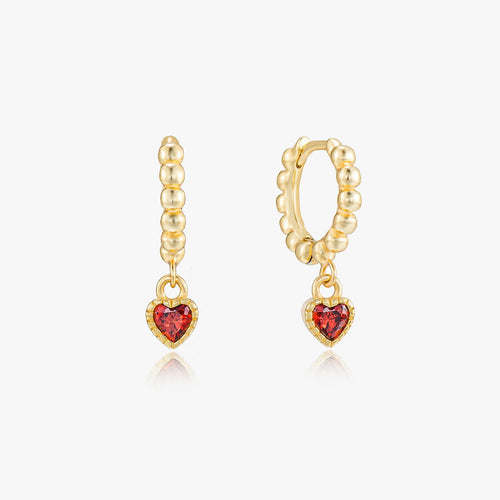


Why Sensitive Ears React to Earrings
Most earring reactions come down to nickel. It is a common metal used in jewellery alloys, and it is also one of the most common causes of allergic contact dermatitis.
Earrings are especially irritating because the metal passes through the skin. A necklace sits on top of your skin. An earring sits inside a piercing channel, often for hours at a time.
If your ears itch, burn, swell, or develop a rash after wearing earrings, nickel is the first thing to rule out. Our guide to nickel allergy and earrings covers the symptoms in more detail.
The word hypoallergenic helps, but it is not enough on its own. A good product listing should tell you the actual material, not just use a comforting label. Our guide to what hypoallergenic means in earrings explains why that matters.
Titanium Earrings for Sensitive Ears
Titanium is the safest choice for most sensitive ears. It is lightweight, strong, corrosion-resistant, and highly biocompatible. That means it is unlikely to react with skin or body tissue.
It is also naturally nickel-free, which is the main reason it works so well for people who cannot wear ordinary fashion earrings.
For new piercings, the standard is stricter. You need implant-grade titanium (ASTM F-136) fitted by a professional piercer, not just any earring labelled titanium. But for healed piercings, titanium is one of the gentlest everyday materials you can choose.
Best for
- Very sensitive ears
- Confirmed nickel allergy
- Recently healed piercings
- People who want earrings they can wear for long periods
Watch out for
Titanium can look more minimal or body-jewellery focused than traditional jewellery metals. If you want delicate gold or silver styles, you may prefer titanium for your most sensitive days and sterling silver or quality plated pieces once your ears are calm. For some people, that is a fair trade for never thinking about a reaction again.
Sterling Silver Earrings for Sensitive Ears
Sterling silver is one of the most popular jewellery materials for sensitive ears, but the details matter.
925 sterling silver is 92.5% pure silver mixed with 7.5% other metals for strength. In good-quality sterling silver, that alloy should be nickel-free. When it is, sterling silver works well for many people with healed piercings.
The key word is healed. Sterling silver is not recommended for new or unhealed piercings because it can tarnish when exposed to moisture, sweat, and skin oils. That is manageable in healed ears. It is not ideal for open, healing tissue.
Best for
- Healed piercings
- Everyday earrings
- People who want classic jewellery styles
- Sensitive ears without severe nickel reactions
Watch out for
Do not assume all sterling silver is nickel-free. Look for clear material information. If a listing only says silver-tone, silver plated, or alloy, that is not the same thing as 925 sterling silver.
If you want sterling silver earrings for healed sensitive ears, explore silver earrings made with hypoallergenic materials and smooth finishes.
Surgical Steel Earrings for Sensitive Ears
Surgical steel sounds reassuring, but it is the trickiest of the three materials.
The problem is that surgical steel is not always one clear thing in jewellery marketing. Some grades are suitable for body jewellery. Others are simply stainless steel with a medical-sounding name.
High-quality implant-grade surgical steel can be suitable for many people. But surgical steel can contain nickel. In the right grade, that nickel is tightly bound in the alloy and may not release enough to bother most wearers. For someone with a strong nickel allergy, that may still be too much risk.
Best for
- People who tolerate stainless steel well
- Durable everyday body jewellery
- Healed piercings when the grade is clearly listed
Watch out for
Be careful with vague listings. If a brand says surgical steel but does not explain the grade, it is harder to know what you are buying. It is also worth knowing surgical is a marketing term, not a certified standard. If you are going to buy steel, look for the actual grade: 316L, 316LVM, or ASTM F138. A listing that just says surgical steel with no grade tells you nothing.
If nickel is your main trigger, titanium and nickel-free sterling silver are the safer choices.
Titanium vs Sterling Silver vs Surgical Steel: Quick Comparison
| Material | Best for | Watch out for | Verdict |
|---|---|---|---|
| Titanium | Very sensitive ears, nickel allergy, long wear | Check for implant-grade if used in a new piercing | Safest overall |
| Sterling silver | Healed ears, everyday jewellery, classic styles | Must be nickel-free. Not for new piercings | Best everyday jewellery option for many healed ears |
| Surgical steel | Durable body jewellery when the grade is clear | Can contain nickel. Vague labels are risky | Can work, but titanium is safer for nickel allergy |
What Should You Choose?
Here is the practical version.
- If your ears react to almost everything, choose titanium first.
- If your piercings are healed and you want delicate everyday earrings, choose nickel-free sterling silver or titanium.
- If you have a confirmed nickel allergy, avoid vague surgical steel and mystery alloys.
- If your piercing is new, keep your piercer-approved starter jewellery in until it is fully healed.
- If you want gold styles, choose quality plating over a hypoallergenic base once your piercing is healed.
- The point is choose the material that matches your skin and your piercing stage.
Shopping for someone who has quietly given up on earrings? Start here instead.
How LYANG & CO. Approaches Sensitive-Ear Jewellery
At LYANG & CO., our earrings are made for healed piercings and everyday sensitive ears. We use hypoallergenic materials, nickel-free, and quality plating designed for daily wear.
If your ears are very reactive, titanium is the gentlest place to start. If your piercings are healed and you want more everyday style options, our nickel-free sterling silver and quality plated pieces can work beautifully.
Browse our hypoallergenic earrings collection if you want earrings made for sensitive ears, without guessing what the metal is.
Frequently Asked Questions
Is titanium or surgical steel better for sensitive ears?
Titanium. It contains no nickel at all, while surgical steel contains between 8 and 14%. For a healing piercing or a known nickel allergy, titanium is the only sensible choice. For healed ears with no allergy, surgical steel is usually fine.
Is sterling silver hypoallergenic?
Yes, when it is made well. Quality 925 sterling silver uses nickel-free alloys and suits most people with sensitive ears. Two caveats: check if the brand confirms it is nickel-free, and keep it clean, because tarnished silver can irritate skin even without a nickel allergy.
Does surgical steel contain nickel?
Yes. Most surgical steel contains between 8 and 14% nickel. It is bound tightly in the alloy so very little reaches your skin, which is why most people wear it without issue. Those with a genuine nickel allergy may still react.
Can I wear sterling silver in a new piercing?
No. Sterling silver tarnishes on contact with skin and can react with an open wound, so it is not suitable while a piercing is healing. Once the piercing is fully healed, it becomes a reliable choice.
What does implant-grade titanium mean?
Implant-grade titanium meets a medical standard, usually listed as ASTM F136. It is the same specification used for surgical implants, and it is what professional piercers use for initial piercings. If a listing just says titanium with no grade, ask before you buy.
What if I react even to titanium?
True titanium reactions are very rare. First check the piece is genuinely implant-grade rather than titanium-plated. If a confirmed implant-grade piece still causes a reaction, see a dermatologist for patch testing. You may be reacting to something else entirely, such as an earring back from a different material.
Which is best if I sweat a lot or exercise in my earrings?
Titanium. Sweat is acidic and speeds up ion release from metal, which makes steel and tarnished silver more likely to irritate. Titanium does not corrode or release ions, so it handles workouts, showers, and hot weather without a problem.
Are hypoallergenic earrings always nickel-free?
Not always. Hypoallergenic is not a tightly regulated jewellery term, so the label alone is not enough. Look for material details, especially nickel-free claims, base metal information, and plating details.


