


Itchy, red, or swollen ears after wearing earrings usually point to one culprit: nickel. It is the most common metal allergy, and earrings are the most common trigger.
The good news is that a nickel allergy does not mean giving up earrings. It means understanding what is happening and switching to materials that will not set it off. This guide covers the symptoms to look for, why reactions happen, what to do right now, and what to wear instead.
One note before we start: this is general information, not medical advice. If your symptoms are severe or you are unsure what is causing them, see your GP or a dermatologist.
Shop nickel free earrings
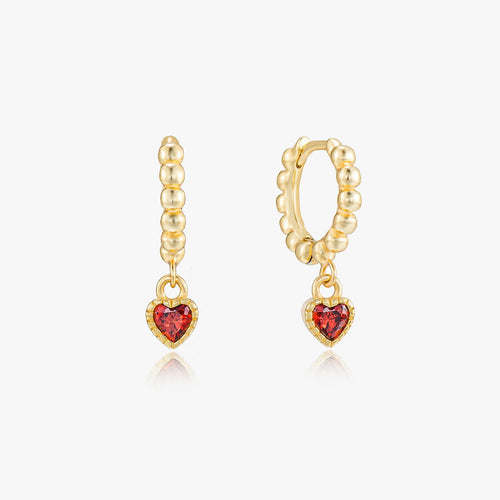


Earring Allergy Symptoms: What to Look For
A nickel reaction is a form of contact dermatitis. Common signs include:
- Itching around the piercing, often intense
- Redness where the earring touches the skin
- Dry, flaky, or scaly patches on and around the lobe
- Small bumps or a rash at the contact point
- Mild swelling around the piercing
- In more severe cases, blistering
One detail that surprises many people: symptoms usually do not appear straight away. A nickel reaction is a delayed response, typically showing up 12 to 72 hours after contact. So the earrings you wore on the weekend may be behind the itch that starts on Monday.
Is It an Allergy or an Infection?
Allergies and infections can look similar at first, but they behave differently. Here is a quick comparison:
| Sign | Likely allergy | Likely infection |
|---|---|---|
| Feel | Itchy, dry, sometimes burning | Painful, tender, warm |
| Look | Redness, dry or flaky skin, small bumps | Significant swelling, spreading redness |
| Discharge | Usually none, skin stays dry | Pus or thick coloured discharge |
| Pattern | Often both ears with matching earrings | Usually one ear |
| Timing | 12 to 72 hours after wearing | Can develop any time, often worsens quickly |
See a doctor promptly if you notice significant swelling, spreading redness, warmth, pus, or fever. These point to infection rather than allergy, and infections need proper treatment. Do not remove the jewellery yourself if you suspect an infection in a healing piercing, as this can trap bacteria inside.
Why Nickel Causes Reactions
Nickel is a cheap, strong metal that is commonly mixed into jewellery alloys. It is also the most common cause of allergic contact dermatitis. When your immune system decides nickel is a threat, it reacts every time the metal touches your skin.
Earrings are the worst offender for a simple reason. A necklace or ring sits on top of your skin. An earring passes through it. The metal has direct, prolonged contact with the most sensitive layer of your skin, which is why ears often react when wrists and necks do not.
This is also why nickel allergy is more common in people with piercings, and why women are affected more often than men. Piercing makes it easier for the metal to reach the skin's immune cells, and repeated exposure builds sensitivity over time.
But I Have Worn Earrings for Years. Why Now?
This is the question almost everyone asks, and the answer is one of the stranger facts about nickel allergy: it can develop at any time, even after years of wearing the same earrings without a problem.
Sensitivity builds with repeated exposure. Your skin can tolerate nickel for years, then reach a threshold where the immune system flags it. Once that happens, the allergy is permanent. It does not fade with time, and there is no way to reverse it.
That sounds worse than it is. A nickel allergy is very manageable. You simply need to be selective about what touches your ears, and the right materials make reactions entirely avoidable.
What to Do Right Now
If your ears are reacting at the moment, here is the immediate plan:
-
Remove the earrings as soon as you notice itching, redness, or swelling
-
Clean the area gently with mild soap and water
-
Apply a cold compress to calm the inflammation
-
Leave the piercing free of jewellery until the skin settles
-
Resist scratching, which can break the skin and invite infection
What to avoid: do not coat earring posts with ordinary nail polish. It is a common DIY tip, but standard nail polish can contain formaldehyde, toluene, and other chemicals that can irritate skin further. It also wears off quickly, so the protection does not last.
If reactions keep happening or you want certainty about what you are allergic to, a dermatologist can run a patch test. It is a simple test that identifies exactly which metals your skin reacts to, and it takes the guesswork out of buying jewellery.
What to Wear Instead
A nickel allergy narrows your options, but the options that remain are good ones. Look for earrings made from:
- Titanium, which is completely nickel-free and used in medical implants
- 925 sterling silver made with nickel-free alloys
- Solid gold of 14k or above, where the alloy excludes nickel
- Quality plated earrings over a nickel-free, hypoallergenic base
For a detailed side-by-side breakdown of how these materials compare, see our titanium vs sterling silver vs surgical steel guide. And if you want to understand what the hypoallergenic label actually promises, our guide to what hypoallergenic actually means covers it in plain terms.
At LYANG & CO., our earrings are made with hypoallergenic materials (925 sterling silver and titanium) and are nickel-free. If you have a nickel allergy or suspect one, our hypoallergenic earrings collection is the best place to start.
Frequently Asked Questions
What does an allergic reaction to earrings look like?
The most common signs are itching, redness, dry or flaky skin, and small bumps where the earring touches your ear. Mild swelling can also occur. The reaction usually stays limited to the area in contact with the metal.
How long after wearing earrings do allergy symptoms appear?
Nickel allergy is a delayed reaction. Symptoms typically appear 12 to 72 hours after contact, not immediately. This is why the cause is not always obvious. The earrings you wore two days ago may be behind today's itch.
Can I suddenly become allergic to my earrings?
Yes. Nickel allergy can develop at any age, even after years of wearing the same earrings without problems. Sensitivity builds with repeated exposure, and once the allergy develops, it is permanent. Switching to nickel-free earrings prevents reactions from that point on.
How do I know if it is an allergy or an infection?
Allergic reactions tend to be dry and itchy, often affecting both ears if you wear matching earrings. Infections are more painful, feel warm, and usually produce pus or discharge, typically in one ear. If you notice spreading redness, significant swelling, pus, or fever, see a doctor promptly.
What earrings can I wear with a nickel allergy?
Titanium, nickel-free 925 sterling silver, solid gold of 14k or above, and quality plated earrings over a hypoallergenic base are all reliable options. Always check that the brand confirms their pieces are nickel-free. Our hypoallergenic earrings collection is designed for exactly this.
Does a nickel allergy go away?
No. Once a nickel allergy develops, it is permanent. The allergy itself cannot be cured, but reactions are entirely preventable by avoiding nickel contact. With the right earrings, most people with a nickel allergy wear jewellery daily without any issues.


