


Gold plated jewellery offers the luxurious look of solid gold at a fraction of the price. However, this budget-friendly option requires special care to maintain its shine and prevent tarnishing. Gold plating consists of a thin layer of real gold applied over a base metal like brass or sterling silver. This delicate construction makes it more vulnerable to damage than solid gold pieces.
Shop gold plated jewellery
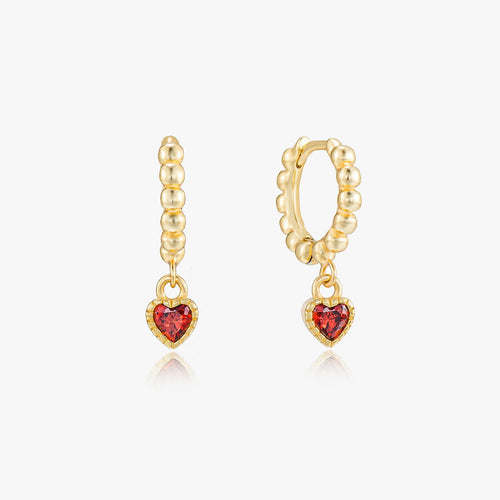


At LYANG & CO., we craft our gold plated collection using 925 sterling silver as the base with 18k or 14k gold plating. This premium construction meets the highest industry standards. We're so confident in our quality that we offer a six-month warranty on all our pieces. With proper care, your gold plated jewellery can maintain its beautiful appearance for years.

Common Causes of Tarnish and Fading
Understanding what causes gold plating to deteriorate helps you protect your pieces. Several everyday factors can accelerate tarnishing and fading.
Everyday exposure presents the biggest threat to your jewellery. Sweat contains acids and salts that break down the gold layer over time. Perfumes, lotions, and cosmetics create a similar corrosive effect.
Environmental Factors also play a significant role in jewellery degradation. Humidity in the air causes oxidation of the base metal beneath the gold layer. Chlorine from swimming pools and cleaning products is particularly damaging. It can strip away gold plating in a single exposure.
Prevention Over Restoration
As all precious metals will eventually experience wear and tear (even solid gold!), that’s why we believe prevention is far more effective than trying to restore damaged plating. Simple daily habits can dramatically extend the life of your gold plated jewellery.

-
Proper Storage forms the foundation of good jewellery care. Store each piece separately in a soft-lined jewellery box or individual pouches.
-
Remove your jewellery before swimming, showering, or exercising. Apply lotions, perfumes, and cosmetics before putting on your jewellery.
-
Wipe your jewellery with a soft, lint-free cloth after each wear. This removes oils, sweat, and environmental residue before they can cause damage.
-
When travelling, pack jewellery in individual pouches or a travel jewellery case. Never throw loose pieces into a bag where they can scratch against each other. Consider leaving your most precious pieces at home for shorter trips.
How to Clean Gold Plated Jewellery Safely
Regular cleaning maintains your jewellery's beauty, but the wrong approach can cause permanent damage. Gold plated pieces require gentler treatment than solid gold and pure sterling silver.
Materials You'll Need:
- Soft, lint-free microfibre cloths
- Mild dish soap (without antibacterial agents)
- Lukewarm water
- Small bowl
- Soft-bristled toothbrush (optional, for detailed work)
- Clean towel for drying
Quick Clean for Everyday Maintenance
After each wear, gently wipe your jewellery with a soft, dry cloth. This removes surface oils and prevents buildup. Pay special attention to areas that contact your skin directly, such as the inside of rings or the posts of earrings.
Deep Cleaning Guide
Perform this deeper clean once a month or when your jewellery appears dull:

-
Start by mixing a small amount of mild dish soap with lukewarm water in a bowl. Use just enough soap to create light suds.
-
Dip a soft cloth into the solution and wring out excess water. Gently wipe each piece, for intricate designs, use a soft-bristled toothbrush with minimal pressure.
-
Work quickly to avoid prolonged exposure to moisture. Clean one piece completely before moving to the next.
-
Rinse each piece under cool running water to remove soap residue. Keep the water flow gentle to avoid mechanical damage.
-
Pat each piece dry with a clean, soft towel. Allow pieces to air dry completely before storing them.
What NOT to Use on Gold Plated Jewellery
Many common household cleaners can permanently damage gold plating. These harsh substances strip away the delicate gold layer or cause discolouration.
Just to name a few, baking soda, antibacterial soaps, bleach, and other chlorine-based products are all too abrasive for gold plating. Toothpaste contains similar abrasive particles. Commercial metal polishes designed for solid metals (e.g. sterling silver, solid gold) can also destroy plated jewellery.
Polishing cloths treated with chemical agents pose another risk. These clothes work by removing surface material, which includes your precious gold layer. Stick to untreated, soft microfibre cloths.
Recap: 3-Step Framework for Long-Lasting Shine
Remember this:

Pull Back before activities that could damage your jewellery. Remove pieces before swimming, exercising, cleaning, or applying beauty products. This single habit prevents most damage.
Prevent problems through proper storage and daily care. Wipe pieces after wear and store them in a cool, dry place. Keep different pieces separated to prevent scratching.
Polish gently with monthly cleaning using mild soap and soft cloths. Address problems early before they become permanent damage.
LYANG & CO.'s Gold Plated Collection
At LYANG & CO., we’re all about quality jewellery that actually fits into your daily life. All our gold-plated pieces are crafted with a 925 sterling silver base and finished with 18K or 14K gold plating, ensuring a luxurious look, feel, and long-lasting durability.


