


Gold plated jewellery has taken the fashion world by storm. From Instagram influencers to high-street brands, everyone seems to be wearing pieces that gleam with that coveted golden finish. But not all gold plated jewellery is created equal.
Understanding what you're buying matters more than you might think. The difference between a piece that lasts months and one that tarnishes in weeks often comes down to factors most shoppers never consider. This guide will help you make informed choices and get the best value for your money.
Shop gold plated jewellery
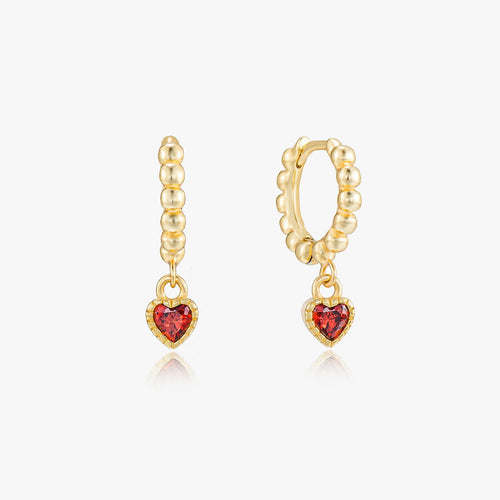


What is Gold Plated Jewellery?
Gold plated jewellery consists of a thin layer of real gold applied over a base metal through a process called electroplating. The gold layer typically measures 0.5 microns or less in thickness. To put this in perspective, a human hair is about 75 microns thick.

The electroplating process involves submerging the base metal piece into a solution containing gold particles. An electric current then deposits the gold onto the surface, creating a uniform golden coating. This technique was first developed by Luigi Brugnatelli in the early 1800s and has been refined over the centuries.
Is it real gold?
Yes, gold plated jewellery contains real gold, but only in that ultra-thin outer layer. The majority of the piece consists of the base metal underneath, which significantly affects the jewellery's properties and longevity.
Pros and Cons of Gold Plated Jewellery
Pros
Affordability stands as the biggest advantage. Gold plated pieces cost a fraction of solid gold jewellery whilst delivering the same luxurious appearance. You can build an extensive collection without breaking the bank.
Fashion flexibility becomes possible when pieces are affordable. You can experiment with trendy designs and bold statement pieces without the commitment of a major investment.

Authentic gold appearance means most people cannot tell the difference between gold plated and solid gold jewellery when worn. The visual impact remains identical.
Cons
Shorter lifespan presents the main drawback. The thin gold layer gradually wears away through daily activities, revealing the base metal underneath. Most pieces show signs of wear within 6-24 months depending on use.
Tarnishing issues arise when the underlying base metal reacts with moisture, lotions, and other substances. Once the gold wears thin, discolouration becomes inevitable.
Potential skin reactions can occur if you're sensitive to the base metals used. Copper and brass, common base metals, sometimes cause green marks on skin or allergic reactions.
Different Types of Gold Plated Jewellery
Gold plated jewellery varies significantly based on two crucial factors: the karat of gold used and the type of base metal.
Karat variations affect the colour and purity. 14k gold plating offers durability with a slightly deeper yellow tone, whilst 18k provides a richer colour but may wear faster. Some pieces use 24k gold plating for the purest colour, though this remains softer.

Base metal choices dramatically impact quality and wearability. Copper creates affordable pieces but turns skin green when exposed. Brass offers better durability than copper but still causes reactions in sensitive individuals. Stainless steel provides excellent hypoallergenic properties and longevity, however it can be heavy for daily wear. Sterling silver represents the premium choice, offering hypoallergenic qualities and enhanced durability.


Shop Gold Plated Earrings | Shop Gold Plated Necklaces | Shop Gold Plated Rings | Shop Gold Plated Bracelets
Gold Plated vs Other Gold Types
Solid gold contains gold throughout the entire piece, typically 10k, 14k, or 18k. It never tarnishes or wears away but costs significantly more and may scratch easier than harder metals.
Gold vermeil features a thicker gold layer (minimum 2.5 microns) over sterling silver. It lasts considerably longer than standard gold plating whilst remaining more affordable than solid gold.
Gold filled contains a much thicker gold layer bonded to the base metal through heat and pressure. The gold layer comprises at least 5% of the item's total weight, making it extremely durable.
Each option serves different needs and budgets, with gold plated offering the most accessible entry point into gold earrings.

When is Gold Plated Jewellery a Good Choice?
Budget considerations make gold plated pieces perfect for building a jewellery collection without major financial commitment. You can afford multiple pieces for the cost of one solid gold item.
Occasion-based use suits gold plated jewellery perfectly. Special events, weddings, or parties where you want to look glamorous without risking expensive pieces make ideal scenarios.
Style experimentation becomes feasible when pieces cost less. You can try bold designs, follow trends, or discover your preferences without significant investment.

Proper care and rotation extend the life of gold plated pieces significantly. When you alternate between different pieces and store them carefully, each item experiences less wear.
Testing styles before investing allows you to determine which designs you truly love before purchasing more expensive metals
How to Care for Gold Plated Jewellery
Proper care dramatically extends the lifespan of gold plated pieces. Keep items dry and clean after each wear using a soft, lint-free cloth. Store pieces separately in individual pouches to prevent scratching and tangling.
Avoid contact with lotions, perfumes, cleaning products, and chlorine. Remove jewellery before showering, swimming, exercising, or applying beauty products. The chemicals and moisture accelerate the wearing process.
Clean gently using warm water and mild soap when necessary. Avoid abrasive cleaners, ultrasonic baths, or harsh polishing that can strip away the gold layer. Check out our comprehensive guide on how to clean gold plated jewellery at home.
What to Look For Before Buying
Base metal disclosure should be clearly stated by reputable sellers. Be wary of brands that don't specify what metal lies beneath the gold plating.
Quality stamps on sterling silver based pieces should show "925" marking. This indicates genuine sterling silver rather than lower-quality alternatives.
Claims verification requires scrutiny. Terms like "hypoallergenic" or "recycled gold" should be backed by specific details about materials and processes used.
If you are looking for inspiration on what styles to reach for right now, we have put together a guide to the gold earring trends worth wearing in 2026 — from hoops and huggies to ear stacks and drops. Read the guide here.
FAQs
How long does gold plated jewellery last?
With proper care, quality gold plated pieces typically last 6-24 months of regular wear. Pieces with sterling silver bases and thicker gold layers last longer than those with copper or brass bases.
Can you shower with gold plated jewellery?
This depends on the base metal. Sterling silver based pieces handle occasional water exposure better than copper or brass based items. However, removing all gold plated jewellery before showering extends its lifespan significantly.
Does gold plated jewellery turn green?
Jewellery with copper or brass bases may turn your skin green once the gold layer wears thin. Sterling silver or stainless steel based pieces don't cause this discolouration, making the base metal choice crucial for comfort.


